When to Reach Out to Tree Removal Services: Warning Signs Your Tree Needs Professional Help
Determining the correct time for tree removal is vital for landscape well-being and security. Numerous factors can suggest a tree's degradation, from apparent damage to underlying diseases. Homeowners must recognize these signs to avert potential hazards. Nevertheless, understanding the complexities of tree health and the consequences of removal can be challenging. What criteria should one consider before making such a decision?
Vital Signs of Tree Health
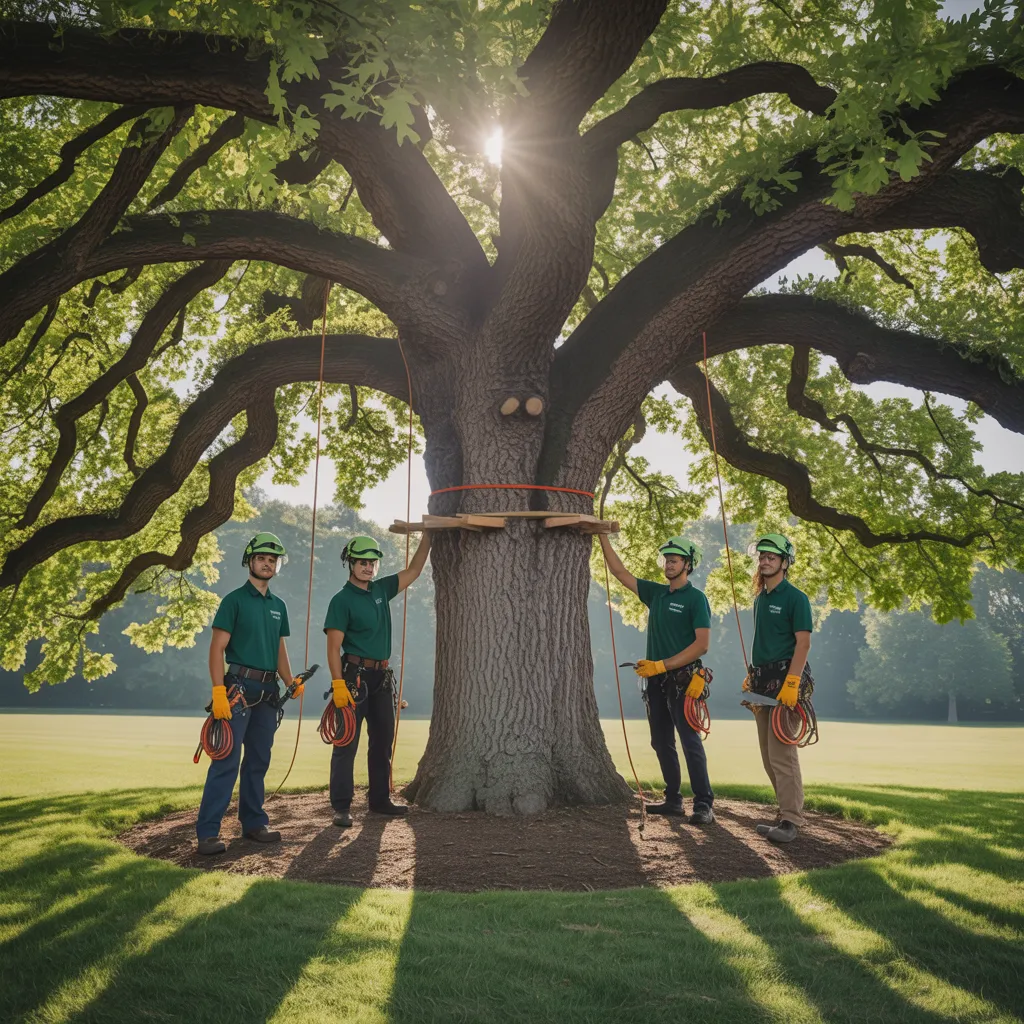
A tree's importance can often be evaluated through several key indicators of its health. The condition of leaves is a primary indicator; lush, green leaves indicate good health, while yellowing or drooping foliage can indicate problems. Additionally, the presence of insects or infections, such as unusual growths or decay, can undermine a tree's integrity. Bark quality is another crucial factor; cracks, peeling, or missing sections can reveal underlying issues. A tree's structural stability is essential as well; tilting or evidence of destabilization can pose safety concerns. Moreover, the root system plays a critical role; surfaced roots or minimal new sprouting may suggest problems. Regular monitoring of these aspects provides insight into a tree's health and longevity, allowing timely intervention when necessary. Ultimately, identifying these key indicators assists in maintaining the overall ecosystem and preventing potential hazards associated with unhealthy trees.
How a Tree's Age Impacts Removal Decisions
The age of a tree is crucial when making removal decisions, as mature trees commonly show evident symptoms of degradation. Different species have varying lifespan expectations, which can impact the necessity and justification for tree removal. Comprehending these aspects assists in making knowledgeable determinations about tree care and protection.
Indicators of Aging Trees
Commonly, the symptoms of aging trees turn more obvious over time, prompting homeowners to think about their removal. As trees grow older, they may exhibit thinning canopies, with less leaves and branches than in their prime. Splits and splits in the trunk can suggest structural weaknesses, elevating the risk of falling limbs. Furthermore, an increase in dead or decaying branches indicates the tree is struggling to thrive. Color changes of bark or unusual growths may suggest disease or pest infestations that endanger overall health. Moreover, a tree leaning markedly can suggest instability, which could pose dangers to nearby structures or individuals. Detecting these signs is essential for homeowners to make informed decisions concerning the safety and maintenance of their property.
Life Expectancy According to Species
How does the lifespan of diverse tree species impact removal decisions for homeowners? Homeowners typically consider the typical lifespans of their trees when considering removal services. For instance, hardwood trees like oaks can live for over a century, while softer species such as willows may only last 30 years. As trees age, they become more susceptible to disease, decay, and structural weaknesses, necessitating earlier removal for species with shorter lifespans. In contrast, long-lived trees may warrant more thorough monitoring before deciding on removal. Understanding these lifespan expectations empowers homeowners to make informed decisions about tree care and removal, guaranteeing safety and maintaining property aesthetics. This knowledge assists in evaluating when professional intervention is needed.
Recognizing Disease: Signs Your Tree Needs Removal
Detecting signs of illness in trees is vital for determining their health and potential need for removal. The existence of uncommon fungal growths and patterns of leaf discoloration can suggest severe underlying issues. Monitoring these symptoms can help homeowners take timely action to preserve their property.
Presence of Fungal Growth
Fungal development on a tree often signals underlying health concerns that may require its removal. Such growth can manifest as mushrooms, shelf fungi, or other types of spores on the trunk, branches, or roots. These fungi usually indicate decay within the tree, suggesting that it may be weakened in structure. The presence of fungal growth frequently suggests root rot or other severe diseases that can weaken the tree substantially. If a tree shows extensive fungal growth, it is crucial to assess its overall health and stability. In some cases, consultation with a tree care professional may validate the need for removal to prevent potential hazards, such as falling branches or the risk of tree collapse.
Patterns of Leaf Discoloration
When trees display leaf discoloration patterns, it can indicate serious health problems that may warrant removal. Leaves turning yellow, for example, may point to nutrient deficiencies or root complications, while applicable information browning edges could point to environmental stress or disease. Dark spots or blotches often suggest fungal infections, which can weaken the tree substantially. Additionally, if leaves turn red or purple prematurely, it could suggest a more severe underlying condition. These discoloration patterns, if widespread, can compromise the tree's structural integrity and overall health. Homeowners should observe these signs closely; if the discoloration continues or worsens, contacting a professional arborist is essential. In some cases, removal may be the safest choice to prevent potential hazards.
Spotting Tree Problems and Weakness
Knowing how to recognize tree damage and instability is essential for maintaining a healthy landscape. A tree displaying signs of damage may have noticeable cracks in the trunk, peeling bark, or large wounds that reveal inner tissue. These markers often suggest underlying decay or disease. Moreover, leaning or tilting trees may signal instability; a tree should remain upright and symmetrical. Inspecting the canopy is crucial as well; dead or sparse branches can reveal poor health and may weaken the tree's structural integrity. In addition, the presence of fungi or mushrooms at the base may indicate root rot or decay. Regular inspections can assist in detecting these concerns early, allowing timely intervention. Overlooking these signs can cause more severe problems, including potential hazards to surrounding properties and individuals. Recognizing these warning signs is an essential step in maintaining the longevity and safety of trees in any landscape.
Root Issues and Their Impact on Stability
A tree's root system plays a vital role in a tree's overall health and stability. They anchor the tree to the ground, absorb nutrients, and provide water, all crucial for its growth. Yet, various factors can compromise root systems, leading to instability. Soil erosion, compaction, or nearby construction activities can interfere with roots, impacting their capacity to stabilize the tree. Additionally, root rot caused by fungal infections can undermine the stability, making the tree more susceptible to tipping over, especially during storms or strong winds.
Indicators of root problems can include slanting trees, split soil, or uncovered roots. It's crucial for property owners to track these warning signs diligently. Should root difficulties occur, they can severely impact the tree's stability and overall health. If these conditions are spotted, reaching out to a tree care expert for an inspection can help ascertain whether taking down the tree is essential to ensure safety and avoid property harm.
Dangers Associated with Dead or Dying Trees
Deceased or deteriorating trees create considerable dangers to both property and the safety of the public. Their compromised structural integrity may result in unforeseen collapses, particularly when severe weather conditions such as storms or strong winds occur. This uncertain nature may lead to harm affecting homes, vehicles, and electrical lines, generating dangerous situations for inhabitants and pedestrians. Moreover, dead trees often harbor pests and diseases, which have the potential to migrate to adjacent healthy trees, compromising local ecosystems.
The existence of decaying trees can also impede pathways and roadways, raising the likelihood of accidents. Moreover, the emotional toll on property owners can be considerable, as the fear of potential damage or injury looms. In urban areas, where space is limited, the risks linked to dead or dying trees can escalate quickly, demanding immediate attention. Understanding these dangers is essential for maintaining a safe environment for both individuals and communities.
When to Contact Professional Tree Removal Professionals
When should one consider enlisting professional tree removal services? This question arises when trees exhibit clear signs of decline, such as substantial dead branches, considerable decay, or root complications. In addition, trees leaning precariously or situated near structures create safety hazards, warranting professional inspection. If a tree has suffered severe storm damage, urgent consultation is critical to assess structural integrity and potential risks.
Moreover, trees obstructing power lines or interfering with property structures often require expert intervention. Professional tree removal services hold the equipment and expertise necessary for safe and effective removal, reducing risks to nearby areas. Homeowners should also consider factors like tree species, size, and location when determining to seek professional services. In the end, understanding these indicators assures both safety and the health of the landscape, making it important to act swiftly when a tree's condition becomes concerning.
Popular Questions
What Does Tree Removal Usually Cost?
Tree removal pricing typically ranges from $200 to $2,000, depending on factors such as tree size, location, and complexity of the job. Additional services like stump grinding can further increase the total cost.
Can I Handle Tree Removal Myself?
It's possible to remove a tree on your own, but it usually demands specialized equipment and understanding of safety practices. Risks include injury and property damage, making professional assistance a more reliable and secure choice for most homeowners.
What Permits Are Needed for Tree Removal?
Generally, permits for tree removal are determined by local regulations and ordinances. Homeowners should check with their municipal office or local forestry department to establish needed permits, especially for preserved or substantial trees in urban areas.
Can Tree Removal Harm Surrounding Plants?
Eliminating a tree might damage neighboring plants as a result of root disturbance and modifications in sunlight levels. Nevertheless, by using meticulous planning and appropriate approaches, harmful consequences can be lessened, ensuring surrounding vegetation remains healthy.
What Is the Duration of the Tree Removal Process?
The process of tree removal usually takes several hours to an entire day, contingent upon the tree's size, position, and complexity. Factors such as weather conditions and equipment availability can also influence the length of time.